What Ontario homeowners aged 55 and older should know before considering a reverse mortgage
What a reverse mortgage is
How reverse mortgages work in Canada
The potential benefits and drawbacks
Who they may be appropriate for
What alternatives should also be considered
For many Ontario homeowners, the family home represents their largest financial asset — yet much of that value may be tied up in equity. A reverse mortgage is one option that allows eligible homeowners to access some of that equity without selling their home or making monthly mortgage payments. However, reverse mortgages are not suitable for everyone, and understanding how they work — and their long-term impact — is essential before making any decisions.
30-second overview
.png)
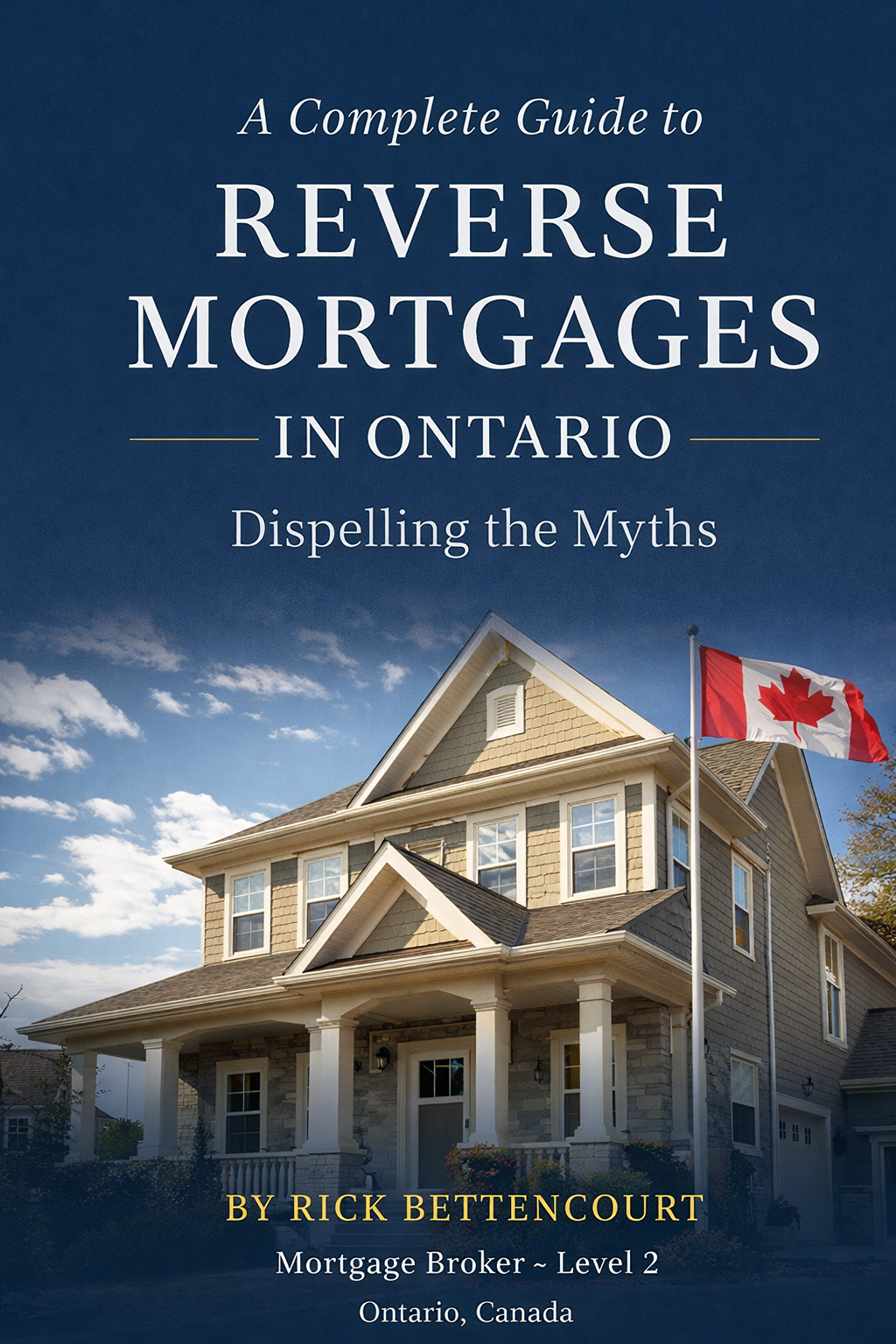
Free Guide: Reverse Mortgages Explained
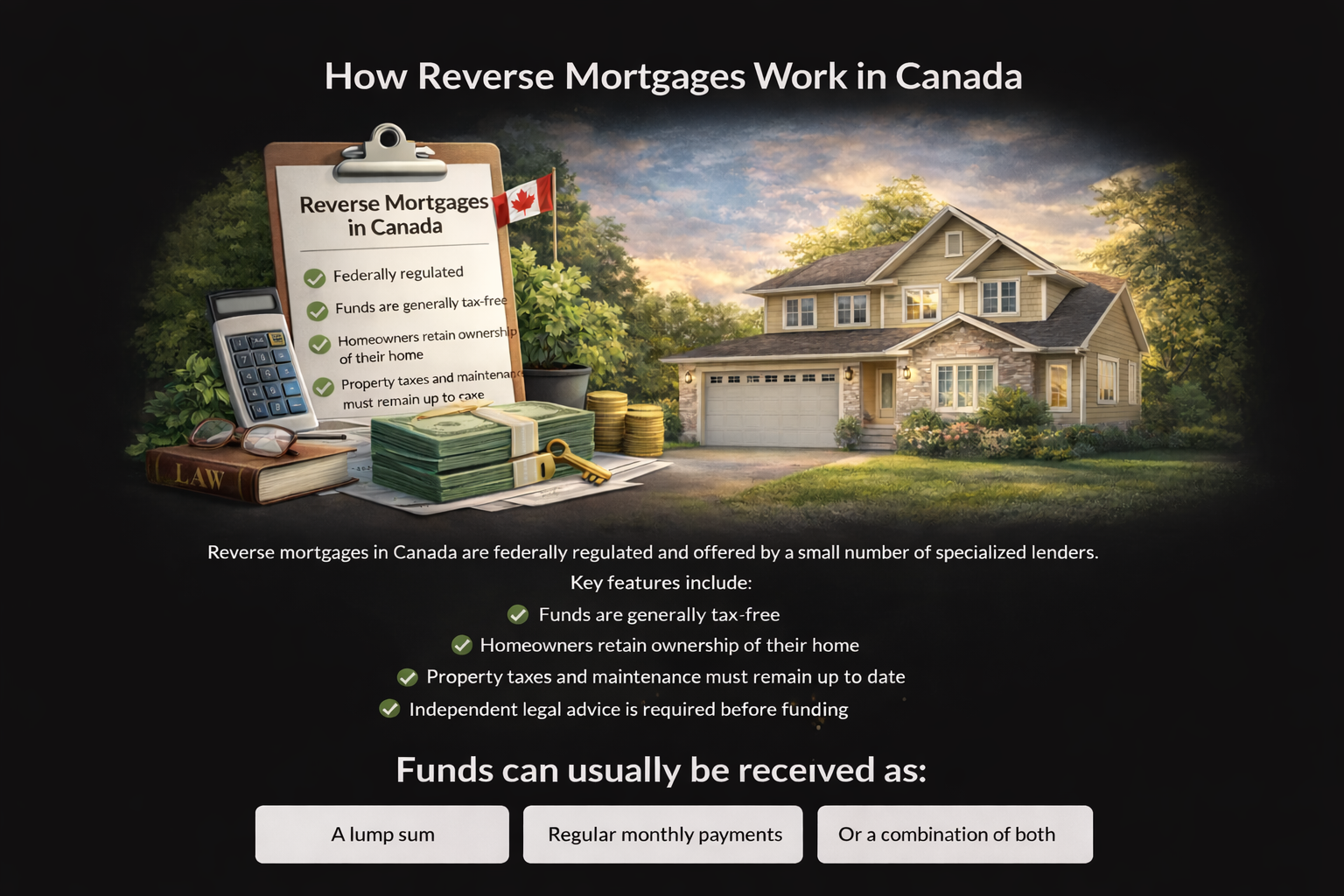


Reverse mortgages are complex financial products, and the right decision depends on your personal goals, finances, and long-term plans.
Speaking with an independent mortgage professional can help you:
Understand how a reverse mortgage would work in your situation
Compare it to alternative options
Avoid rushed or pressured decisions
Gain clarity before making commitments

If you’re considering a reverse mortgage — or simply want to better understand your options — a conversation can help bring clarity.You don’t need to decide anything today.
You just need the right information.




★★★★★ Rated 5 Stars on Google
“Amazing service. Helped me get approved when the banks said no. Very professional, fast, and honest.”
-Shane S.
“Excellent communication. Helped with a second mortgage and debt consolidation — couldn’t be happier.”
Lynda B.
“Very knowledgeable and helpful from start to finish. Made the entire mortgage process much easier.”
Domenic V.




Rick Bettencourt, Mortgage Broker Level 2,
FSRA License #M11002425
licensed with Chartered Finance, Brokerage #12791
#302 – 7300 Warden Ave, Markham, Ontario.
Helping Ontario homeowners access practical mortgage solutions with clarity and confidence.
© 2025 Pure Mortgage Advisory Services. All rights reserved.